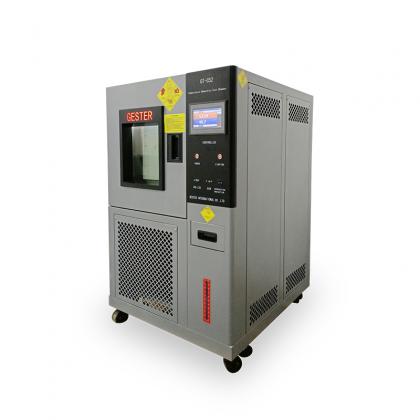
Come scegliere la macchina per testare le cerniere la soluzione più adatta
Tester per cerniere lampo in base al tipo di test
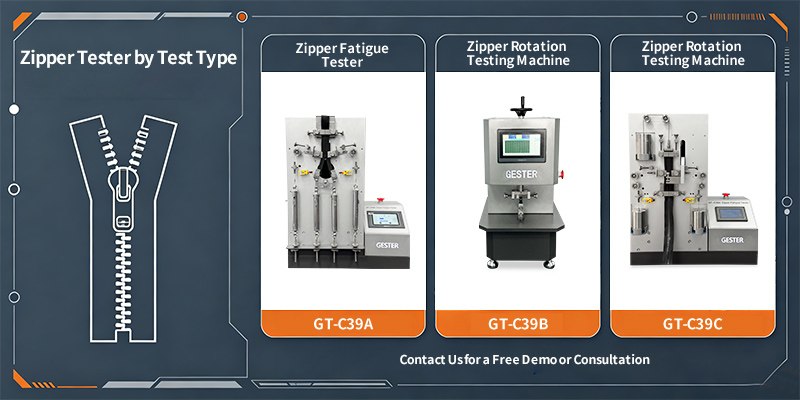
Per comprendere appieno la gamma di tester per cerniere lampo, è importante suddividerli in diverse categorie. La classificazione principale si basa sul tipo di test eseguito dalla macchina, che è il seguente:
5. Le unità di misura della coppia di prova possono essere commutate tra cN.m e Nm direttamente sulla macchina.
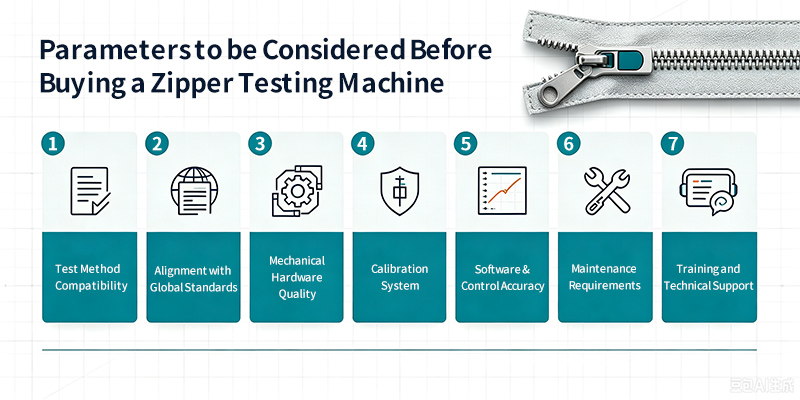
Parametri da considerare prima di acquistare una macchina per testare le cerniere lampo
Le macchine per il collaudo delle cerniere lampo sono diventate risorse di laboratorio essenziali per la maggior parte delle aziende tessili e produttrici di cerniere. Attrezzature inadeguate possono danneggiare la reputazione del marchio, ostacolare il processo di certificazione e aumentare i costi complessivi dei test.
Compatibilità del metodo di prova
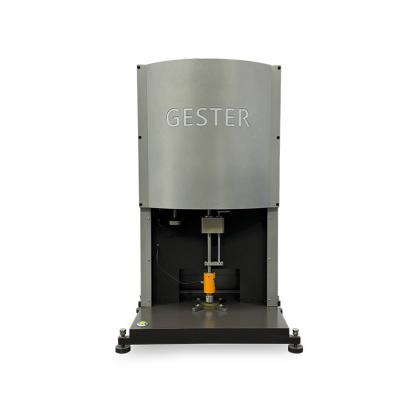
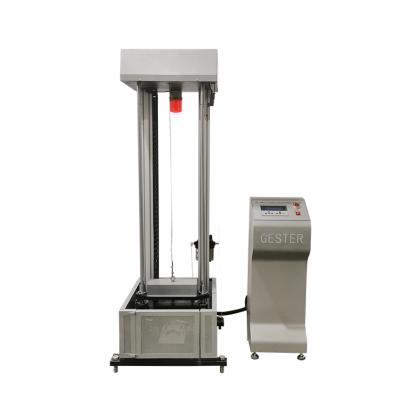
Verifica se la macchina supporta i tipi di test richiesti: test di fatica a movimento alternato o test di torsione del cursore. I tester a movimento alternato valutano la separazione delle giunzioni, l'allentamento, il cedimento dei connettori, la formazione di lanugine e l'usura. I tester di rotazione eseguono la valutazione della resistenza alla torsione a torsione, ad angolo costante e a carico costante per i cursori delle cerniere.
Allineamento agli standard globali
ILTester di resistenza per cerniereÈ necessario eseguire test conformi agli standard del mercato di riferimento. Il sistema dovrebbe supportare test multi-standard come SATRA TM50 Metodo 1/Metodo 2, ASTM D2061, 16CFR 1500.51-53, EN 16732, CNS-1083, BS 3084, QB/T2171, DIN 3419-1. Il calcolo manuale comporta errori evitabili e può falsare le reali prestazioni della cerniera.
Qualità dell'hardware meccanico
Verificare i gruppi di azionamento alternativo e i riduttori di torsione. Per i tester di rotazione, i riduttori a bassa rumorosità garantiscono un funzionamento fluido e silenzioso. I dispositivi di fissaggio a torsione in acciaio inossidabile offrono una lunga durata per il montaggio ripetuto dei campioni.
Sistema di calibrazione
Macchine con funzioni di calibrazione affidabili riducono la deriva di misurazione. Completamente automaticoTester di resistenza per cernieres dovrebbe mantenere la potenza meccanica entro intervalli di deviazione accettabili durante il funzionamento prolungato.
Precisione del software e del controllo
Il software di controllo touchscreen deve implementare correttamente gli algoritmi di test definiti dagli standard. Per le apparecchiature di prova di torsione, il passaggio tra le unità cN·m e N·m deve funzionare con precisione. Verificare che il software del tester per cerniere sia conforme alle specifiche degli standard globali per ridurre la variabilità del sistema.
Requisiti di manutenzione
Le principali attività di manutenzione includono:
- Ispezione periodica dei gruppi meccanici di trasmissione e torsione
- Pulizia di tutti i dispositivi di prova
- Ispezione dei sensori e dei rilevatori di conteggio
- Calibrazione annuale completa delle apparecchiature
Queste operazioni di manutenzione sono particolarmente critiche per i laboratori ad alto volume che testano grandi lotti di campioni di cerniere per abbigliamento, valigie e prodotti per attività all'aperto.
Formazione e supporto tecnico
Per garantire un funzionamento stabile a lungo termine e una maggiore durata degli strumenti in ambiente di laboratorio, sono necessari una formazione professionale per gli operatori e un supporto tecnico continuo.
Contattaci per una demo o una consulenza gratuite.
Per ulteriori informazioni sui metodi di prova delle cerniere, sugli standard globali eMacchina per il collaudo delle cerniere lampos, contattaci:
- Email: marketing@gester-instruments.com


 italiano