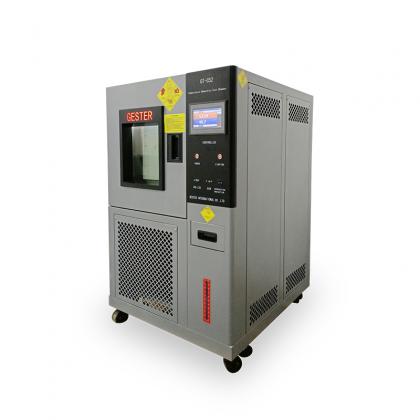
Che cos'è una camera di prova allo xeno e perché è importante?
L'esposizione alla luce è un fattore importante che causa lo sbiadimento e l'invecchiamento dei materiali. Che si tratti di tessuti per esterni, interni automobilistici, rivestimenti per la casa o prodotti stampati, se le prestazioni di resistenza alla luce non soddisfano gli standard, dopo un periodo di utilizzo si verificheranno problemi come colori opachi, sbiadimento e screpolature, che influiranno direttamente sull'aspetto e sulla durata del prodotto. Poiché gli ambienti di applicazione dei prodotti diventano sempre più complessi, affidarsi esclusivamente all'esposizione solare naturale o a giudizi basati sull'esperienza non è più sufficiente a soddisfare i requisiti moderni dell'industria in termini di durata e stabilità del prodotto. Pertanto, un Camera di prova allo xeno è un dispositivo di prova professionale utilizzato per esaminare le prestazioni dei tessuti dopo un'esposizione prolungata alla luce solare, alle alte temperature e agli ambienti umidi.
I. Che cos'è una camera di prova allo xeno?
UN camera di prova ad arco di xeno La camera di prova per l'invecchiamento accelerato con lampada allo xeno, comunemente nota in cinese come "camera di prova per l'invecchiamento accelerato con lampada allo xeno" o "macchina per test di invecchiamento con lampada allo xeno", è un dispositivo di prova ambientale che utilizza una lampada allo xeno come sorgente luminosa per simulare le radiazioni ultraviolette, visibili e infrarosse della luce solare naturale. Attraverso metodi artificiali, riproduce in laboratorio i fattori ambientali complessivi a cui i materiali sono sottoposti durante l'esposizione prolungata all'esterno, come luce, temperatura, umidità e precipitazioni, valutando così le prestazioni di resistenza agli agenti atmosferici dei materiali in un periodo di tempo più breve.
A differenza delle tradizionali apparecchiature per l'invecchiamento a raggi ultravioletti, la sorgente luminosa a lampada allo xeno può simulare in modo più realistico la distribuzione spettrale solare. La luce solare naturale contiene raggi ultravioletti (UV), luce visibile (VIS) e infrarossi (IR). L'intensità luminosa di una camera di prova allo xeno è molto simile a quella della luce solare naturale. Contiene luce ultravioletta, visibile e nel vicino infrarosso, producendo quindi lo stesso effetto della luce solare reale.
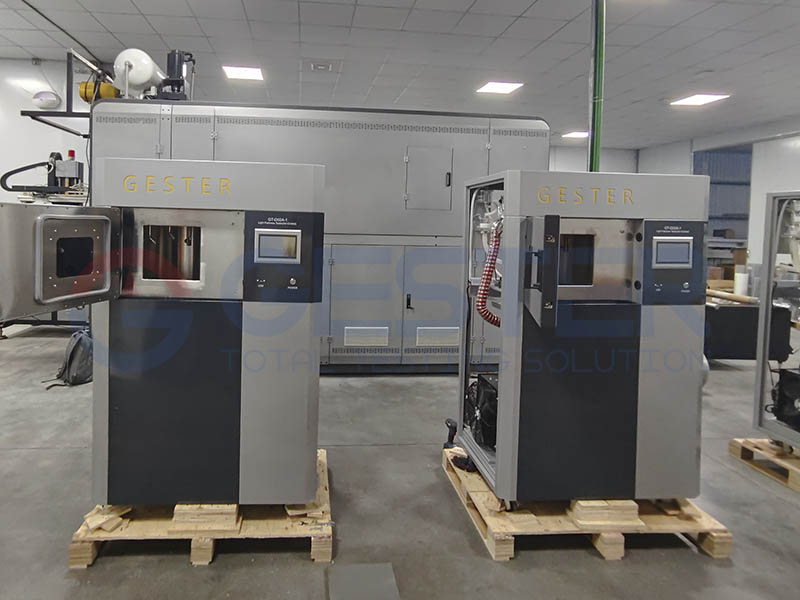
II. Principio di funzionamento della camera di prova allo xeno
Il tester di resistenza alla luce può simulare la luce solare. Include luce ultravioletta, visibile e infrarossa. Simula completamente l'ambiente di illuminazione naturale. Il tester di resistenza alla luce simula l'intero spettro solare, inclusa la luce ultravioletta, visibile e infrarossa. Utilizza una lampada ad arco di xeno. Il tester di resistenza alla luce è ampiamente utilizzato per i test di invecchiamento in ambienti reali.
Metodo di prova per la solidità del colore alla luce:
Il tester di solidità del colore alla luce utilizza lampade ad arco di xeno. Queste simulano l'intero spettro solare, inclusi i raggi ultravioletti, la luce visibile e la luce infrarossa. Sono ampiamente utilizzate per i test di invecchiamento in ambienti reali.
III. Perché è importante la camera di prova allo xeno?
Elevata affidabilità:
Gli strumenti per la prova di resistenza alla luce consentono di controllare con precisione l'esposizione dei materiali. Simulano le condizioni reali, ottenendo così dati più affidabili.
Risultati accelerati:
Le apparecchiature per i test di resistenza alla luce consentono di eseguire prove di invecchiamento dei materiali più rapidamente. Ciò riduce i costi e migliora l'efficienza. I test di resistenza alla luce sono molto più veloci dei test in ambiente naturale. Possono essere diverse volte più veloci, persino dieci volte più veloci.
Controllo preciso dei parametri:
Gli strumenti per la misurazione della resistenza alla luce possono simulare luce di diverse lunghezze d'onda, intensità e temperature, e sono in grado di controllare con precisione questi fattori, rendendo i risultati dei test di invecchiamento più accurati e affidabili.
Ampia applicazione:
I tester di resistenza alla luce sono utilizzati nella scienza dei materiali, nella chimica e nell'industria automobilistica. Ad esempio, nell'industria automobilistica, questi dispositivi possono simulare condizioni meteorologiche estreme come luce solare, pioggia e freddo, consentendo di testare la durabilità di veicoli, componenti e parti. Inoltre, trovano numerose applicazioni nei materiali da costruzione, nelle materie plastiche e nella gomma.
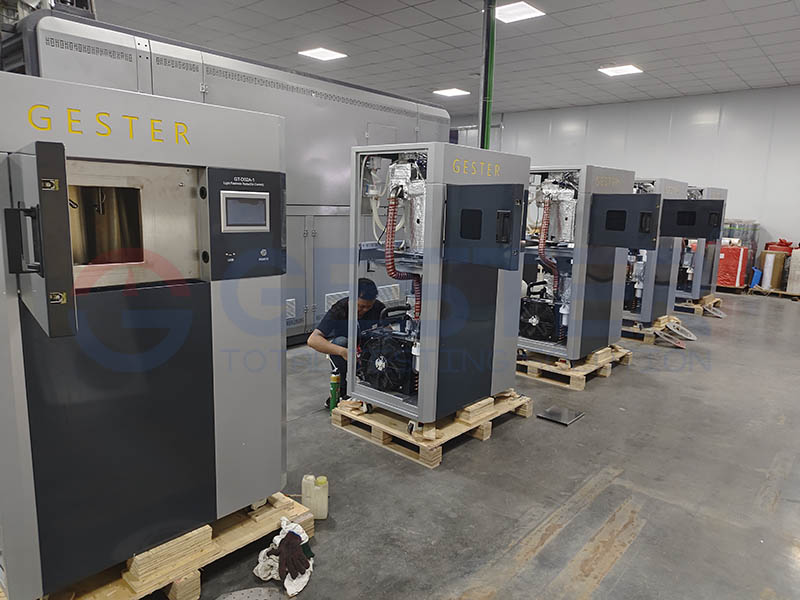
IV. Come scegliere un tester di resistenza alla luce?
Scegliere un'opzione adatta tester di resistenza alla luce Richiede la considerazione di molti fattori. Questi fattori includono i requisiti sperimentali, le specifiche tecniche, il marchio, il costo e le recensioni degli utenti. Di seguito sono riportati alcuni principi guida specifici:
Definire i requisiti sperimentali:
Innanzitutto, è necessario definire con precisione i requisiti dell'esperimento. Questi includono il tipo e le dimensioni dei campioni da testare, l'intensità luminosa richiesta e l'accuratezza del controllo di temperatura e umidità. Sono inoltre necessari il ciclo e la frequenza di prova. Queste informazioni vi aiuteranno a selezionare le specifiche e le funzioni più adatte per il tester di resistenza alla luce.
Comprendere gli indicatori tecnici:
Verifica gli indicatori chiave della macchina per il test di resistenza alla luce, tra cui la potenza, la stabilità e l'intensità della sorgente luminosa, nonché la precisione del controllo della temperatura e dell'umidità. Considera anche il controllo dell'irradianza e le dimensioni della camera. Questi indicatori influenzano direttamente la precisione e l'affidabilità dei risultati del test.
Scegli un marchio conosciuto:
Un marchio rinomato è generalmente sinonimo di qualità eccellente. Può anche garantire un buon servizio di assistenza post-vendita. I marchi noti investono maggiormente in ricerca e sviluppo tecnologico, potendo così lanciare continuamente nuovi prodotti per soddisfare le esigenze in continua evoluzione dei consumatori.
Considera il rapporto costo-efficacia:
Al momento dell'acquisto, oltre alle prestazioni, è importante considerare anche il prezzo, l'assistenza post-vendita e altri fattori. Scegliete il prodotto con il miglior rapporto qualità-prezzo. Il prezzo non è l'unico criterio di valutazione. Anche i prodotti con prestazioni elevate e prezzi ragionevoli rappresentano un'ottima scelta.
FAQ
1. Qual è la migliore macchina per test di solidità alla luce per laboratori tessili?
I tester di resistenza alla luce ad arco di xenon sono i più raccomandati per i laboratori tessili, in quanto simulano la piena luce solare.
2. Quali fattori influenzano il prezzo del tester di resistenza alla luce?
Marca, tipo di lampada (xeno/UV), capacità di prova, sistema di controllo e norme di conformità.
3. Lampada allo xeno o lampada UV: quale è migliore?
Lampada allo xeno: simula la luce solare diretta, risultando più precisa per la maggior parte dei tessuti.
Lampada UV: più veloce, più economica, si concentra esclusivamente sull'invecchiamento causato dai raggi ultravioletti.
Per i test generici sui tessuti, scegliete lo xeno.
4. A quali standard deve conformarsi?
ISO 105‑B02, AATCC 16, GB/T 8427, ecc.
5. Perché è importante testare la resistenza alla luce?
Per garantire che i tessuti resistano allo sbiadimento, allo scolorimento e al degrado causato dalla luce.
6. Qual è lo scopo di un tester di resistenza alla luce?
Per verificare in che misura il colore e le prestazioni dei tessuti cambiano quando vengono esposti alla luce.
7. Qual è la differenza tra un tester UV e un tester di resistenza alla luce?
Tester UV: utilizza solo luce ultravioletta, simulando la luce solare parziale.
Tester di resistenza alla luce (solitamente allo xeno): simula la piena luce solare e copre una gamma di test più ampia.


 italiano